What makes a customer trust a business they have never bought from before?
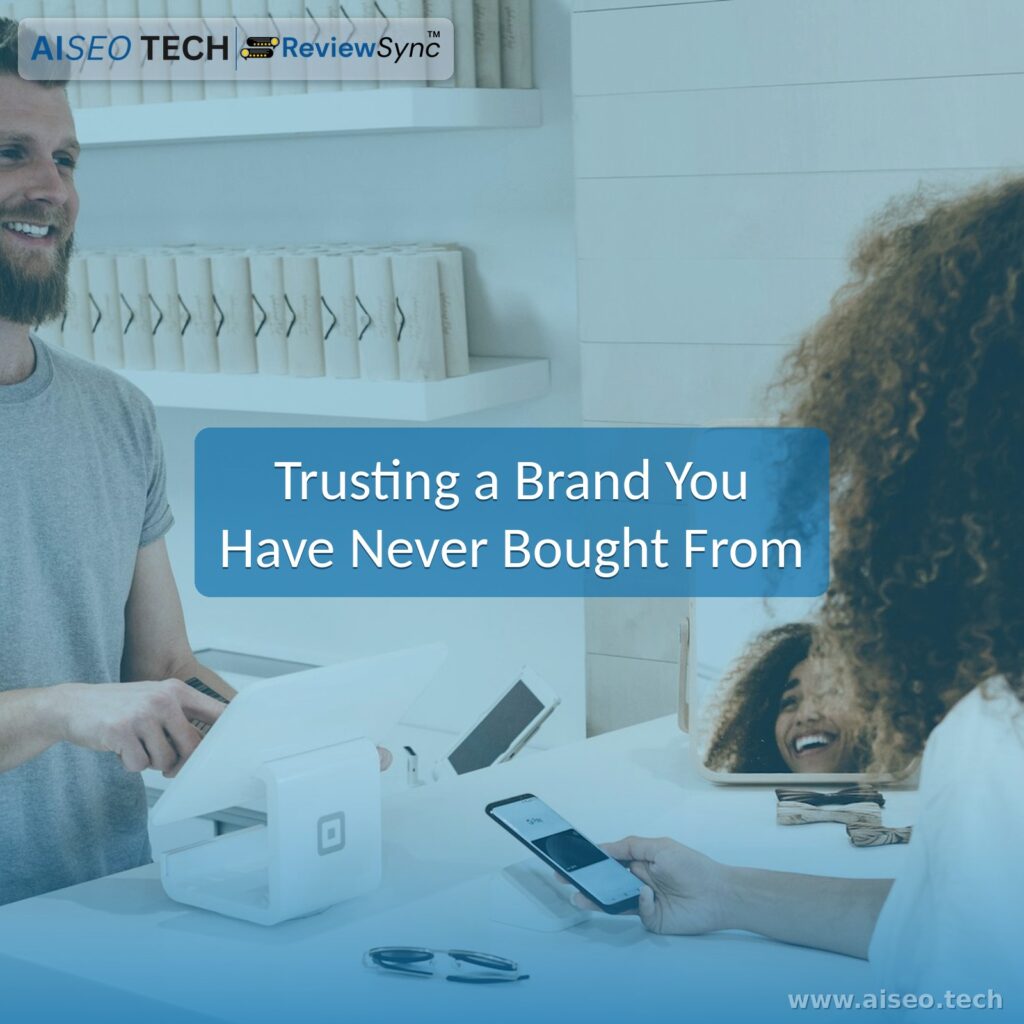
Every growing business faces the same quiet problem. A customer finds you, likes what you sell, checks the price — and then pauses. They have never bought from you before. They cannot walk into your shop, look someone in the eye, or ask a neighbour who has used you. So they go looking for evidence that other people took the same chance and were glad they did.
That search for reassurance is where independent review and trust platforms earn their place. Your own website can describe your service beautifully, but customers discount claims you make about yourself. What persuades them is a track record held by someone else: reviews collected independently, complaints answered in public, and standards checked by an organisation with its own reputation to protect. For any brand investing in online reputation management, this trust layer is often the difference between a visited page and a completed order.
Which businesses live or die by independent trust signals?
E-commerce and direct-to-consumer brands are the clearest example. A shopper choosing between a familiar marketplace seller and an unfamiliar brand site will often open a new tab to ask a simple question: can I trust this company with my money and my address? Online services face the same test — web hosting, courses, financial and insurance products, subscription boxes, home-improvement marketplaces and software sold without a salesperson. The higher the price, the longer the commitment, or the harder a service is to judge before buying, the more the customer depends on strangers’ experience.
Trustpilot is built for exactly that moment. Businesses invite customers to review the buying and service experience, then display the resulting rating on product pages, checkout pages, pricing pages and adverts. A fashion brand, a finance app and a furniture retailer use it differently in detail, but the job is identical: borrow credibility from verified past customers at the point where hesitation is highest.
Better Business Bureau serves a related but distinct need, particularly in North America. Its profile combines reviews and complaints with accreditation and a business’s response history. Home-service firms, local professional services and companies handling large or sensitive purchases benefit because the customer can see not only praise, but how a dispute was handled. In categories where things occasionally go wrong for everyone, a visible record of putting things right can be more persuasive than a spotless but thin review page.
Two or three other famous names belong in an honest map of trust-checking, as editorial mentions only — they are not platforms ReviewSync syncs. Sitejabber and ConsumerAffairs are places shoppers consult when verifying an unfamiliar online brand, and Reddit is where many people ask, in plain language, whether a company is legitimate and read unfiltered experiences in replies. A business does not need to be everywhere, but it should know what a search of its own name surfaces on the sites customers actually open.
How reviews turn hesitation into a first purchase
The first effect is friction removal. A visible rating beside a price answers the objection the customer was about to leave with. “Other people bought this, recently, and were satisfied” shortens the distance between interest and checkout. That is why mature brands place review evidence along the buying path rather than hiding it on a testimonials page nobody visits.
The second effect is pricing power. A trusted unfamiliar brand competes on value; an untrusted one must compete on discount. When reviews repeatedly praise quality, delivery reliability or support, a customer can justify paying a little more — and returning. Trust evidence compounds: every answered review makes the next customer’s decision easier.
The third effect is the one many businesses miss. Negative reviews, handled well, build trust rather than destroying it. A complaint answered quickly, specifically and generously tells a watching stranger two things: problems are noticed, and this company behaves decently when it would be easier not to. An ignored complaint tells the opposite story to everyone who reads it afterwards. Our guide to managing online reviews without losing control sets out a human-checked routine for exactly this balance, and the AISEO Tech blog covers the related policy and fake-review questions in depth.
Finally, trust profiles outlive campaigns. An advert stops when spending stops. A review profile built over two years keeps persuading at midnight, on weekends, and in markets you have not yet advertised in. For a business selling at a distance, that permanence is not a vanity metric — it is infrastructure.
How trust signals shape AI search answers
Ask an AI assistant “is this company legit?”, “is it reliable?” or “what do customers say about it?” and it will synthesise the independent evidence it can find: review platforms, accreditation and complaint records, news and forum discussion. It rarely quotes a brand’s own claim that it is trustworthy. It summarises what third parties say.
This is where AI-SEO, AEO and GEO meet old-fashioned reputation. A business with a current, consistent trust profile — strong recent sentiment, complaints visibly resolved, details matching across its website and profiles — gives an assistant a clear, confident answer to pass on. A business with no independent footprint gives it very little to say, and silence in an AI answer usually means a competitor gets recommended instead. Our article on AI search visibility explains how such citations accumulate for local and online brands alike.
Consistency matters as much as sentiment. If your website promises next-day delivery, your reviews praise reliability, and your complaint record shows issues addressed, the story holds together. If each source tells a different story, both customers and AI systems become cautious. Trust, in other words, is now machine-readable — which makes maintaining it a practical visibility task, not just good manners.
Consider a simple test before spending on more traffic: open a private browser window, search your business name with the word “reviews”, and read only what a cautious stranger would read in two minutes. If the strongest evidence is your own website, the trust system is unfinished. If independent profiles show recent customers, answered concerns and details that match your site, an unfamiliar visitor has a reason to proceed. Repeat the test after asking an AI assistant whether your business is reliable. The two answers increasingly resemble each other, because both the human and the machine are assembling confidence from the same public record.
Practical takeaways
Audit your own name the way a stranger would. Search it with the words “reviews”, “complaints” and “legit” added. Note which independent profiles appear, whether they are claimed and current, and what the first screenful actually says about you.
Place trust evidence where hesitation happens: product, pricing and checkout pages, proposals and email signatures. Invite reviews after delivery or successful support, not at the moment of purchase anxiety. Respond to complaints publicly, specifically and fast, then take personal details offline. Never buy praise or filter out unhappy customers — customers can smell a curated profile, and platforms penalise manipulation.
As a next step from Post 1 in this series — where customers look before choosing a local business — the lesson here is the second half of the same decision: once they find you, why would they believe you?
That belief is easier to maintain when monitoring does not depend on memory. AISEO Tech’s ReviewSync, through app.aiseo.tech, helps teams watch trust and review channels together and respond from one routine, so a damaging unanswered review does not sit unnoticed while the team is busy elsewhere. The goal is not a perfect score. It is a public record that a reasonable stranger can read and think: this business looks after people. That is what makes a first purchase feel safe.